HER2/neu (Human Epidermal Growth Factor Receptor 2)
HER2/neu (Human Epidermal Growth Factor Receptor 2)
A Critical Biomarker in Breast Cancer Diagnosis and Treatment
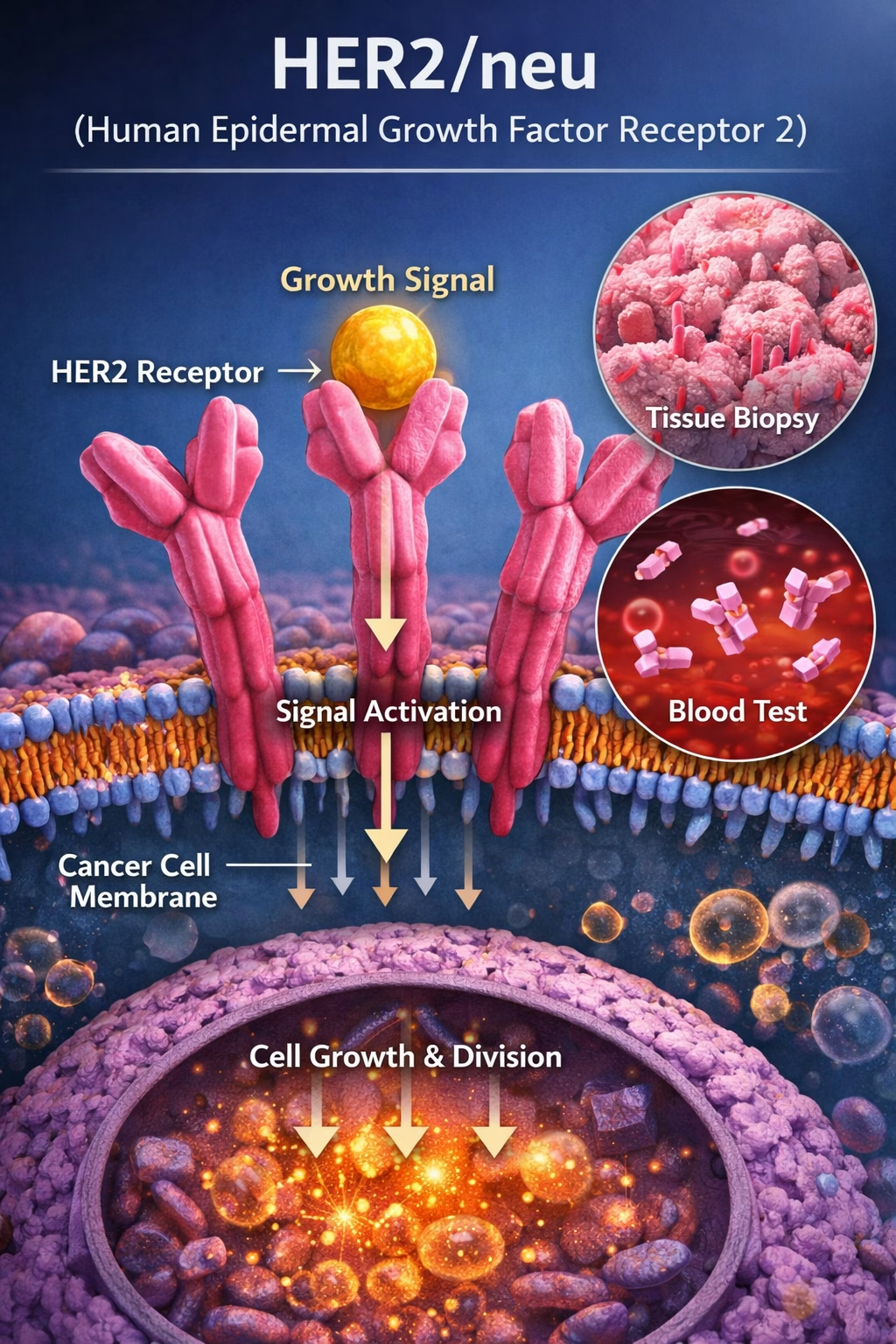
HER2/neu, commonly called HER2, is a protein found on the surface of certain cells that helps regulate cell growth. In some cancers—especially breast cancer—the HER2 gene becomes amplified, causing the body to produce too much HER2 protein. This overexpression drives aggressive tumor growth and defines a subtype known as HER2‑positive breast cancer.
HER2 is one of the most important biomarkers in modern oncology because it not only helps identify the cancer subtype but also determines which targeted therapies may be effective.
Why HER2 Matters
HER2 is a powerful diagnostic and therapeutic marker because:
-
It identifies HER2‑positive breast cancer, a subtype that tends to grow faster but responds exceptionally well to targeted treatments.
-
It guides therapy selection, including drugs like trastuzumab, pertuzumab, and other HER2‑targeted agents.
-
It can be measured in tissue biopsies or blood, making it useful for both diagnosis and ongoing monitoring.
HER2 testing is now a standard part of breast cancer evaluation worldwide.
How HER2 Is Used in Cancer Care
1. Diagnosis & Subtyping
HER2 testing helps determine whether a tumor is:
-
HER2‑positive
-
HER2‑negative
-
Low‑expressing (HER2‑low), an emerging category in oncology
This classification directly influences treatment planning.
2. Treatment Selection
HER2‑positive cancers often respond extremely well to:
-
HER2‑targeted monoclonal antibodies
-
Antibody‑drug conjugates (ADCs)
-
Tyrosine kinase inhibitors (TKIs)
These therapies have dramatically improved survival rates.
3. Monitoring Disease
HER2 levels can be monitored through:
-
Tissue biopsy (IHC, FISH)
-
Blood‑based assays (circulating HER2)
This helps clinicians track treatment response or detect recurrence.
Limitations of HER2 as a Biomarker
While HER2 is highly valuable, it has specific constraints:
-
It applies only to HER2‑positive cancers, which represent a subset of breast cancer cases.
-
HER2‑negative tumors will not benefit from HER2‑targeted therapies, making other biomarkers necessary.
-
Expression levels can vary, requiring precise testing methods to ensure accurate classification.
Despite these limitations, HER2 remains one of the most clinically actionable biomarkers in oncology.
Key Takeaways
-
HER2/neu is a major biomarker for breast cancer, especially the HER2‑positive subtype.
-
It is highly actionable, guiding some of the most effective targeted therapies in modern medicine.
-
HER2 can be detected in tissue or blood, supporting both diagnosis and monitoring.
-
Its main limitation is that it applies only to a specific subset of breast cancers.