MUC1 (Mucin 1)
MUC1 (Mucin 1)
- Used for: Breast cancer, ovarian cancer, pancreatic cancer.
- Why it’s good: Overexpression of MUC1 is seen in many cancers, making it a broad biomarker.
- Limitation: It can be elevated in non-cancerous conditions as well.

EGFR (Epidermal Growth Factor Receptor)
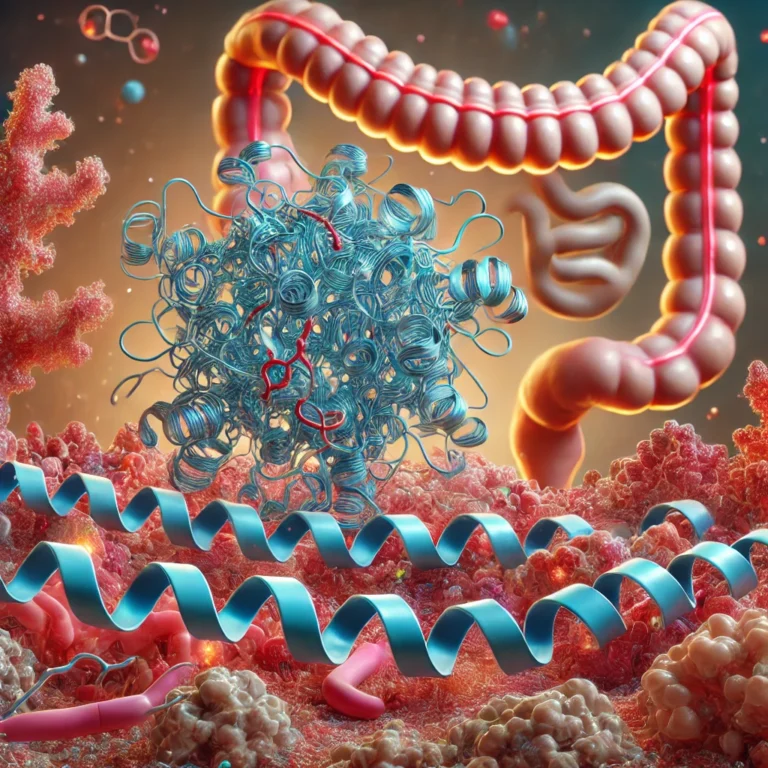
CEA is a cell adhesion molecule normally produced during fetal development. In adults, it is usually undetectable in the blood, but it may be re-expressed and elevated in certain cancers,…
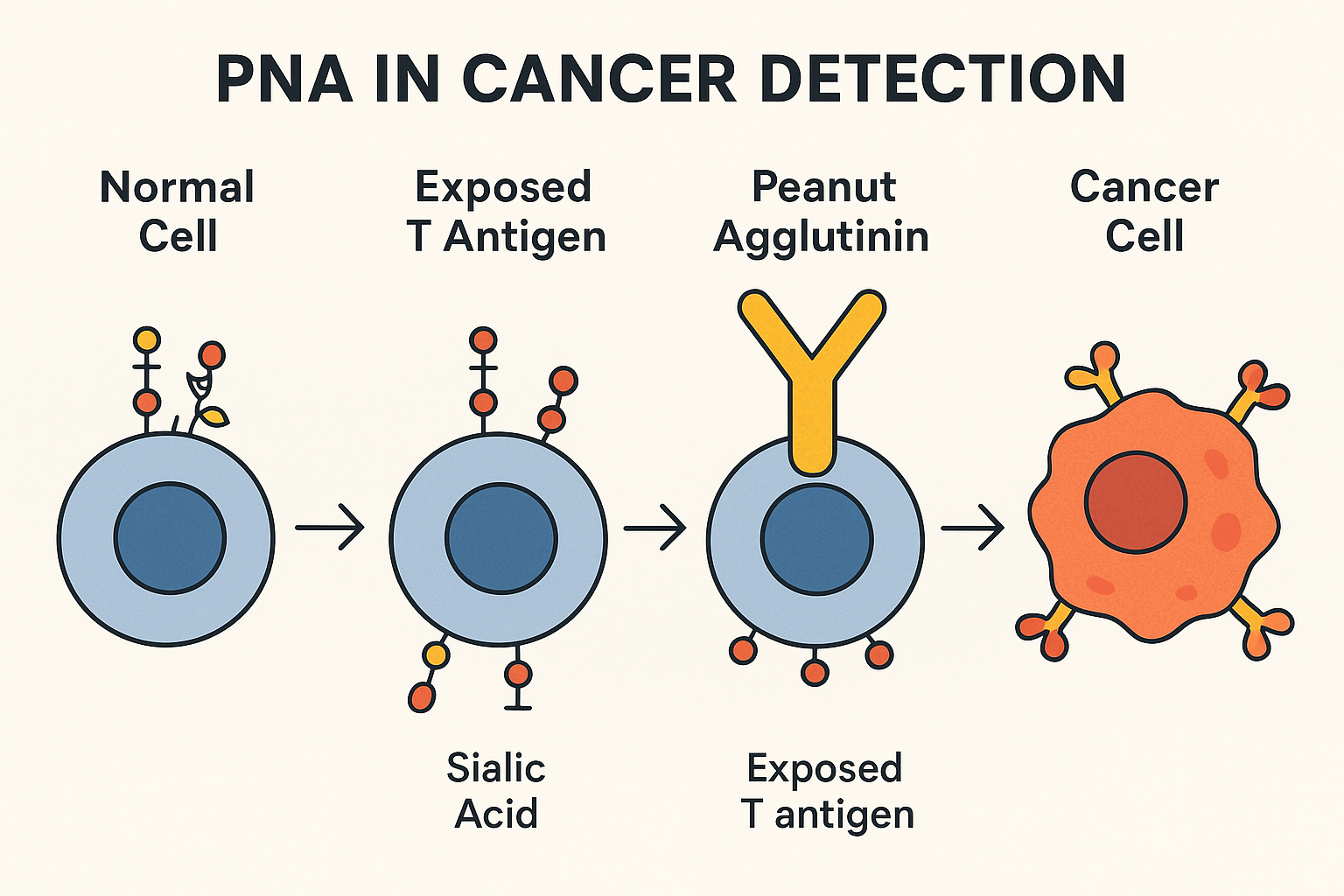
Peanut agglutinin (PNA) plays a role in cancer detection because it specifically binds to the Thomsen–Friedenreich antigen (T-antigen) — a carbohydrate structure that is hidden in normal cells but exposed…
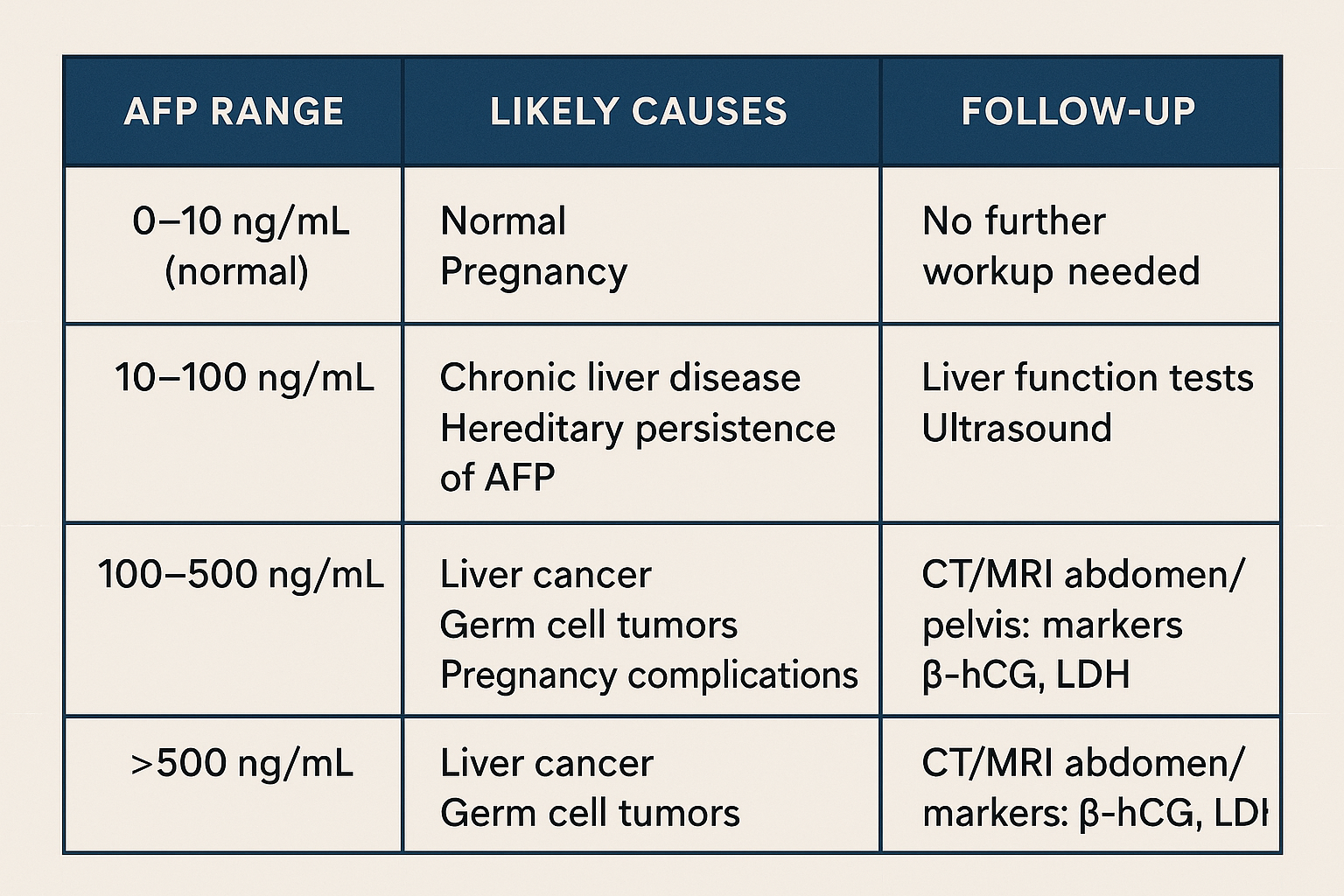
Alpha-fetoprotein (AFP) is a protein normally produced by the fetal liver and yolk sac during development. In adults, AFP levels are usually very low, so an elevated AFP can be…

Carbohydrate antigen 72-4 (CA72-4) is a tumor-associated glycoprotein frequently studied as a biomarker for cancer, particularly gastric and gynecological malignancies. Here’s a detailed overview based on current research: Overview and…
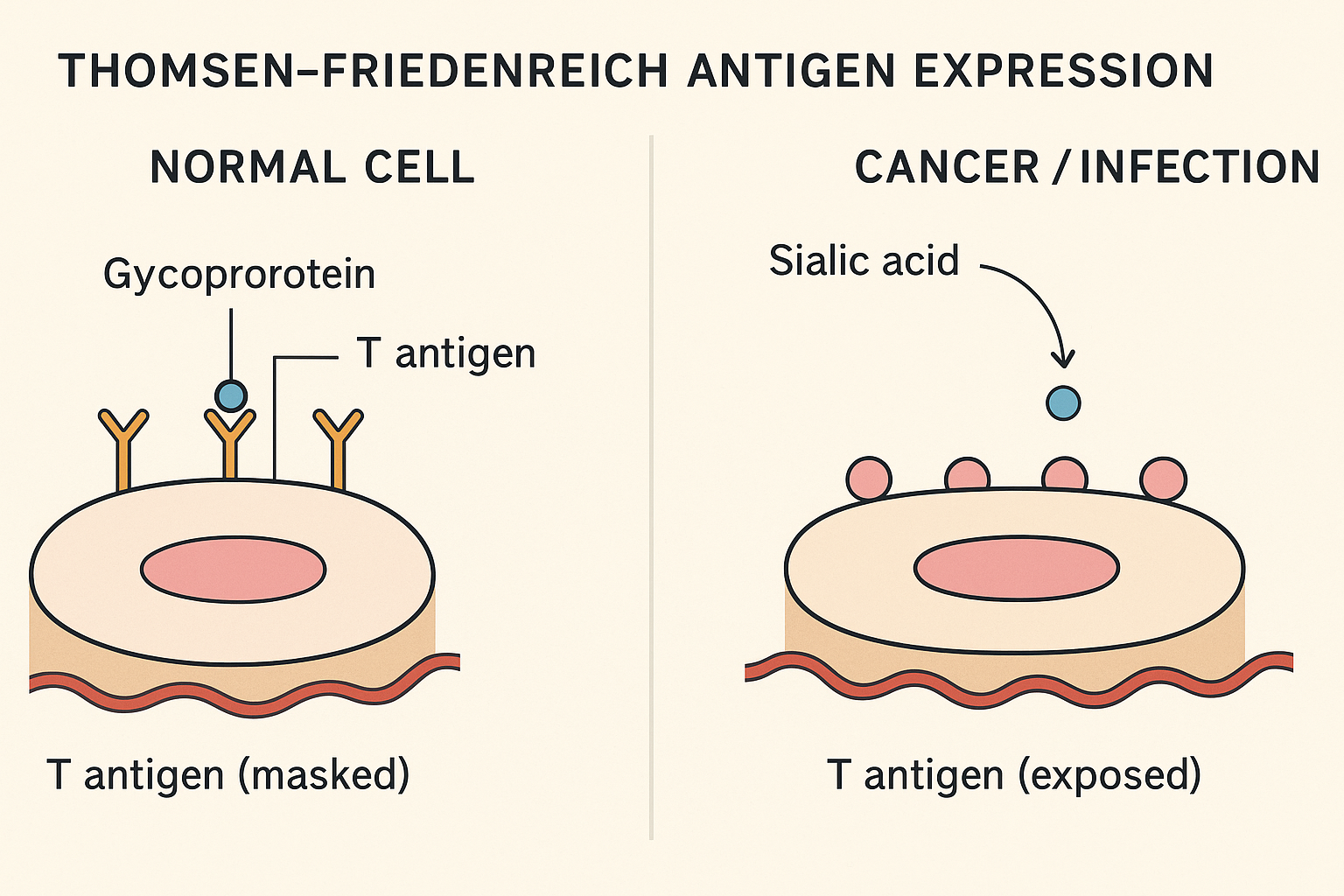
When it’s exposed, it can be detected by specific antibodies (like peanut agglutinin), and its presence is linked to disease processes. The Thomsen–Friedenreich antigen (T antigen) — sometimes called the…