
CA‑125 (Cancer Antigen 125): What It Is and Why It Matters
CA‑125 (Cancer Antigen 125): What It Is and Why It Matters
CA‑125 is a high‑molecular‑weight glycoprotein found on the surface of certain cells inside the body. It is best known as a biomarker used in the detection and monitoring of ovarian cancer, although elevated levels can appear in several other conditions as well.
In clinical diagnostics, CA‑125 is one of the most widely used and studied tumor‑associated antigens.
Where CA‑125 Comes From
CA‑125 is produced by cells derived from:
-
Ovarian epithelium
-
Fallopian tubes
-
Endometrium
-
Peritoneum and pleura
-
Other mucin‑producing tissues
In healthy individuals, CA‑125 levels are typically low. However, certain cancers and benign conditions can cause levels to rise.
Why CA‑125 Is Important in Cancer Detection
CA‑125 is most strongly associated with epithelial ovarian cancer, where it is often elevated in:
-
Early‑stage disease (in some cases)
-
Advanced ovarian cancer
-
Recurrence or progression of disease
While CA‑125 is not a standalone diagnostic test, it is a powerful tool when combined with imaging, clinical evaluation, and other biomarkers.
Clinical Uses of CA‑125
1. Early Detection (High‑Risk Populations)
CA‑125 may be used as part of a screening strategy for individuals with:
-
BRCA1 or BRCA2 mutations
-
Strong family history of ovarian cancer
-
Genetic predisposition syndromes
2. Diagnosis Support
Elevated CA‑125 levels can support clinical suspicion of:
-
Ovarian cancer
-
Fallopian tube cancer
-
Primary peritoneal carcinoma
3. Monitoring Treatment Response
CA‑125 is widely used to:
-
Track how well a patient responds to therapy
-
Monitor for recurrence after treatment
-
Evaluate disease progression
4. Prognostic Indicator
Higher CA‑125 levels at diagnosis may correlate with:
-
Tumor burden
-
Disease stage
-
Overall prognosis
Conditions That Can Elevate CA‑125
While CA‑125 is strongly linked to ovarian cancer, elevated levels can also occur in non‑cancerous conditions, including:
-
Endometriosis
-
Pelvic inflammatory disease
-
Menstruation
-
Pregnancy
-
Liver disease
-
Benign ovarian cysts
This is why CA‑125 is not used alone for diagnosis—it must be interpreted in clinical context.
CA‑125 in Modern Diagnostics
Advances in rapid testing, antigen targeting, and multiplex biomarker panels are expanding the role of CA‑125 in:
-
Point‑of‑care cancer screening
-
Early detection strategies
-
Multi‑analyte diagnostic platforms
-
Personalized oncology monitoring
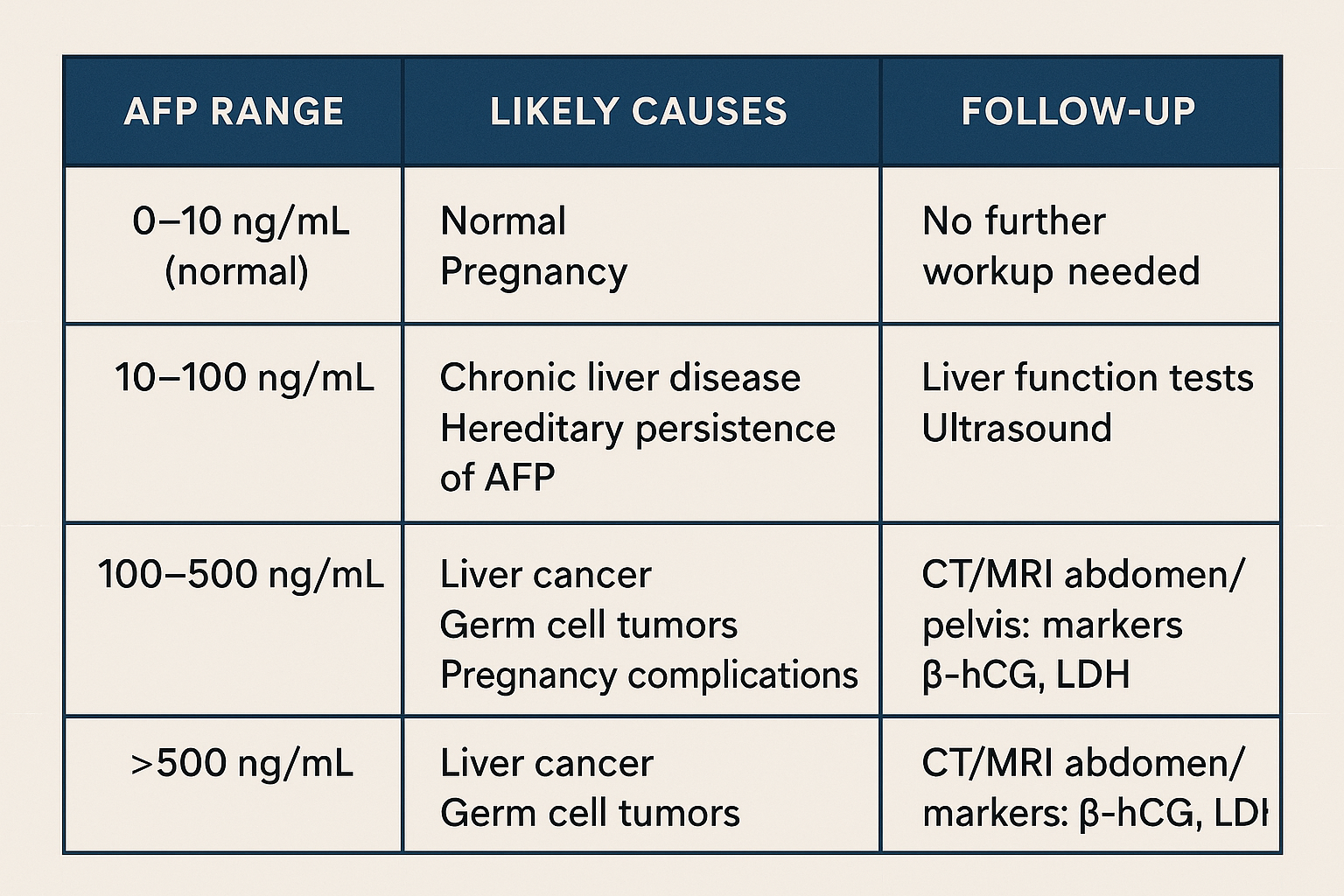
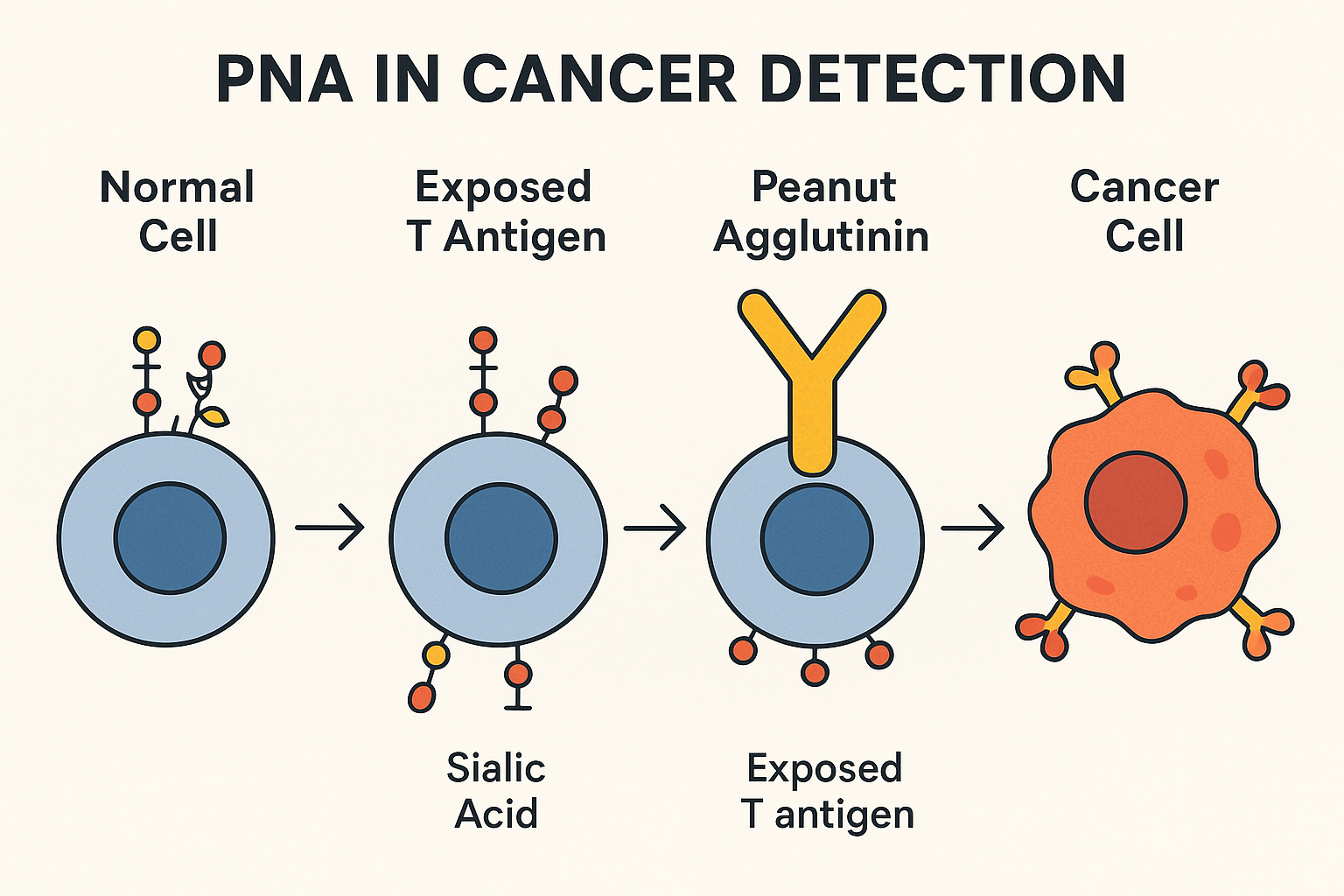
When combined with other biomarkers (e.g., HE4, CEA, AFP, TF antigen), CA‑125 becomes part of a more powerful diagnostic picture.
Key Takeaways
-
CA‑125 is a major biomarker for ovarian cancer, widely used in screening high‑risk individuals and monitoring treatment.
-
It is not cancer‑specific, so elevated levels require further evaluation.
-
CA‑125 remains one of the most clinically valuable tumor markers in women’s health and gynecologic oncology.
-
Emerging technologies—including rapid antigen tests and multiplex panels—are expanding its diagnostic potential.